The Project
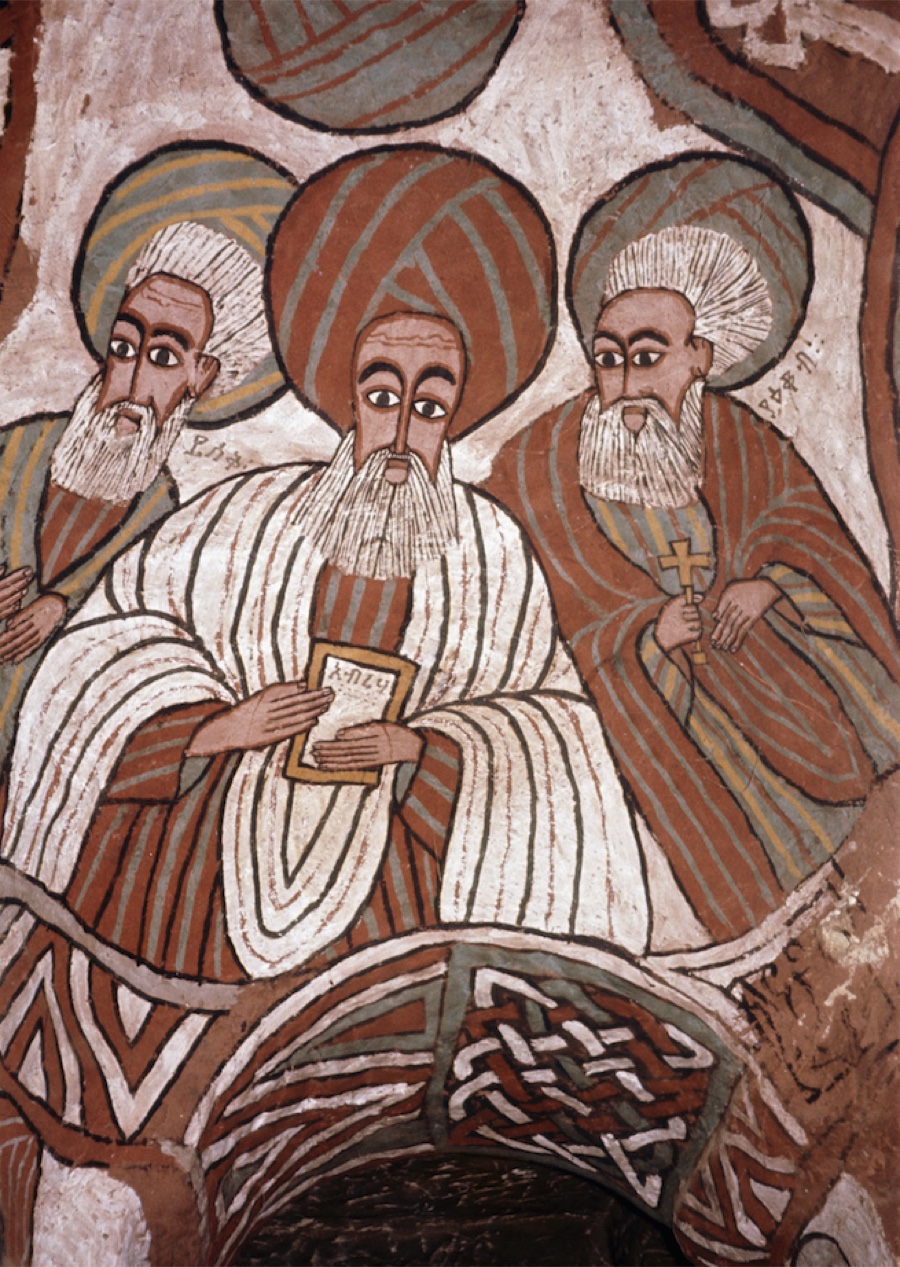
Ethiopia’s natural beauty, ancient monuments and unique art forms are known world-wide, but much less is known of the country’s extraordinary oral culture. Folk stories, fables, myths and legends have been passed on for millennia, not only in the Ethiopian highlands, but among the many peoples of the different religions, languages and cultures who make up the country’s vibrant societal patchwork.
In 1996 the British children’s writer Elizabeth Laird suggested to Michael Sargent, then Director of the British Council in Addis Ababa, the possibility of making a collection of folk stories which could be published in English readers, so that Ethiopian schoolchildren could practise reading English while enjoying their own cultural heritage.
Michael Sargent expanded this simple proposal to include every region of Ethiopia. The Ethiopian Ministry of Education were entirely supportive, and arranged for local Regional Educational or Cultural officers in each region to contact storytellers and provide translators.
Elizabeth Laird made five, month-long journeys around Ethiopia and collected nearly 300 stories. The British Council supplied transport, arranged accommodation and provided translators from Amharic to English. Stories narrated in other Ethiopian languages (of which there are more than 80), were translated by local Ministry of Education personnel into English or Amharic. Every story session was recorded, and some of the original versions are available to listen to on www.ethiopianfolktales.com.

The roads in Ethiopia have now greatly improved, but 30 years ago, when the stories were collected, travel could be hazardous.
Once the stories were collected and translated, a selection was made for each region. The story books were illustrated, designed and prepared for publication. Eight readers were printed in Addis Ababa and distributed to the regions, but nine other books, although already ready for printing, had to be abandoned as funding ran out.
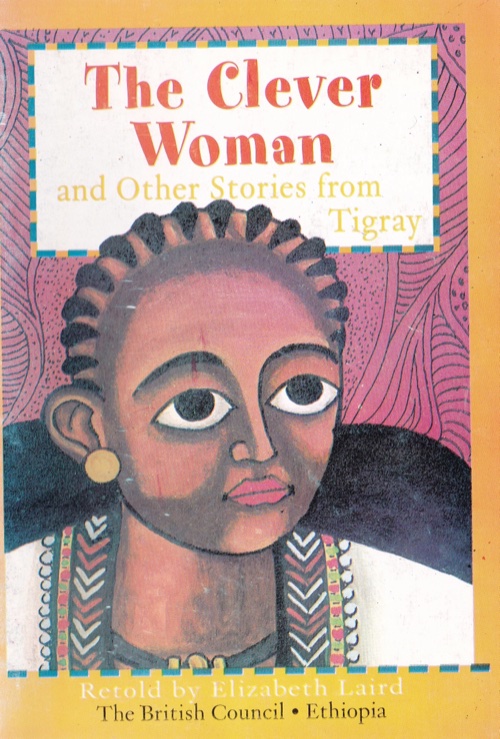
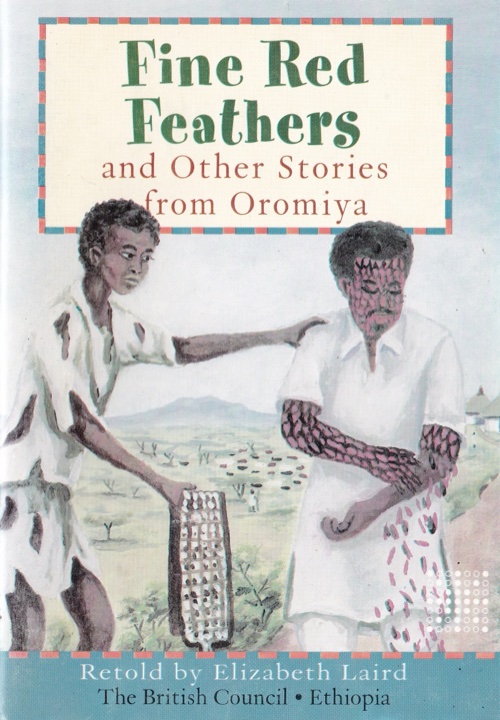
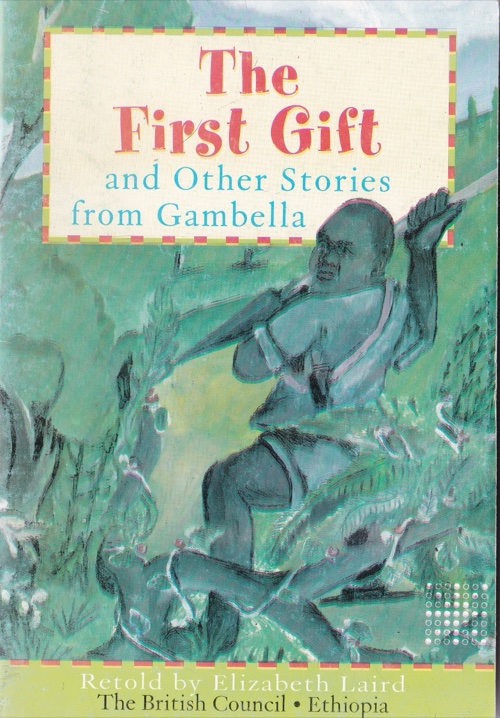
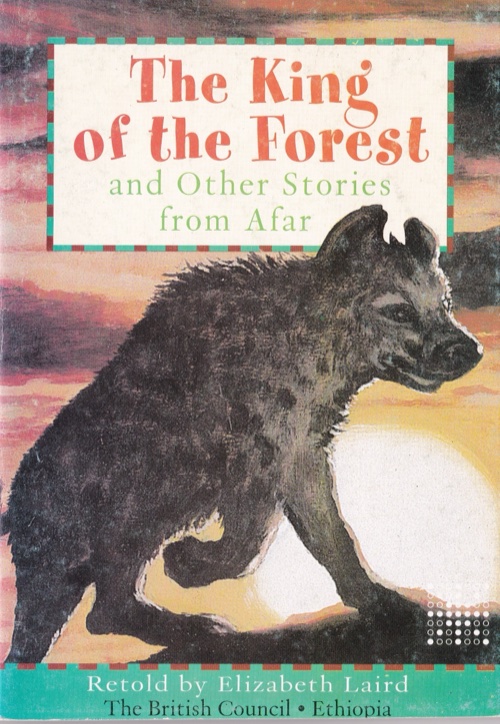
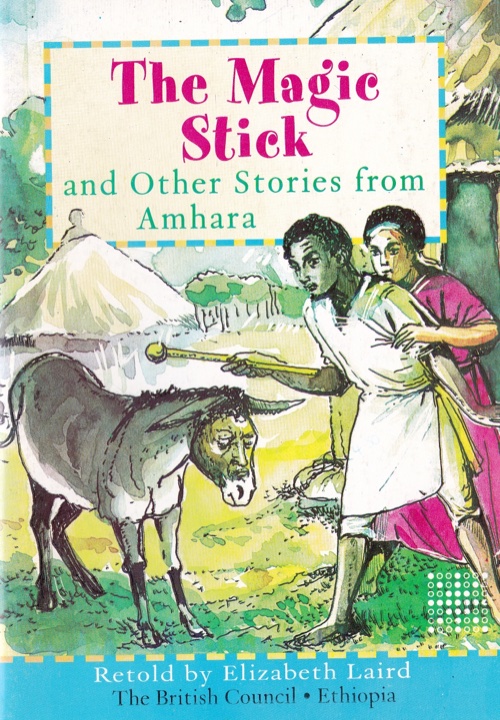
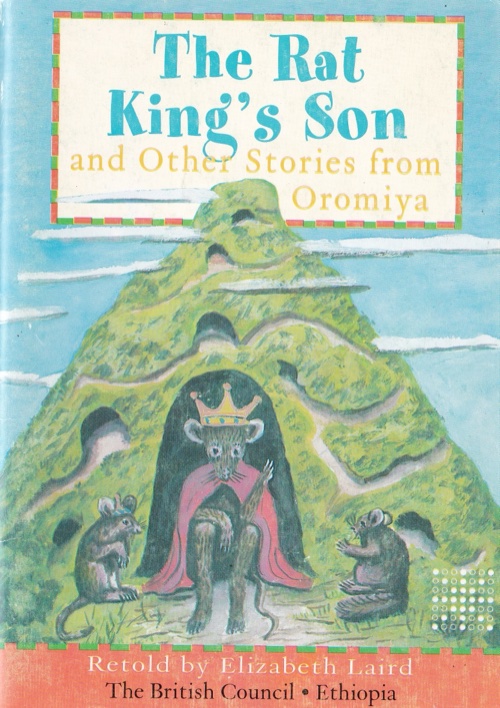
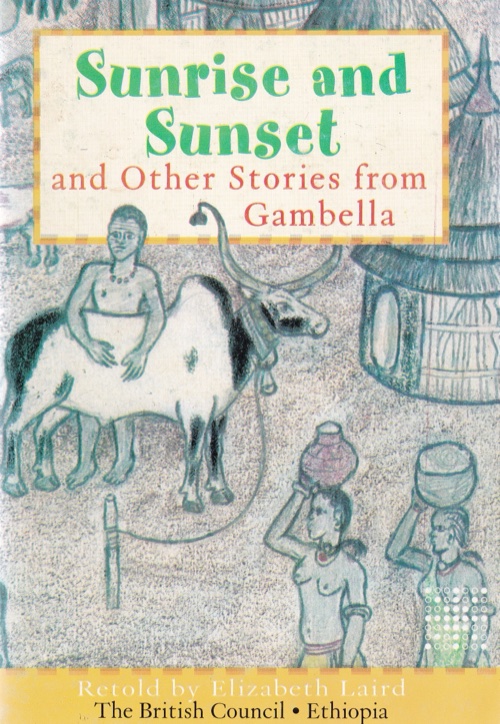
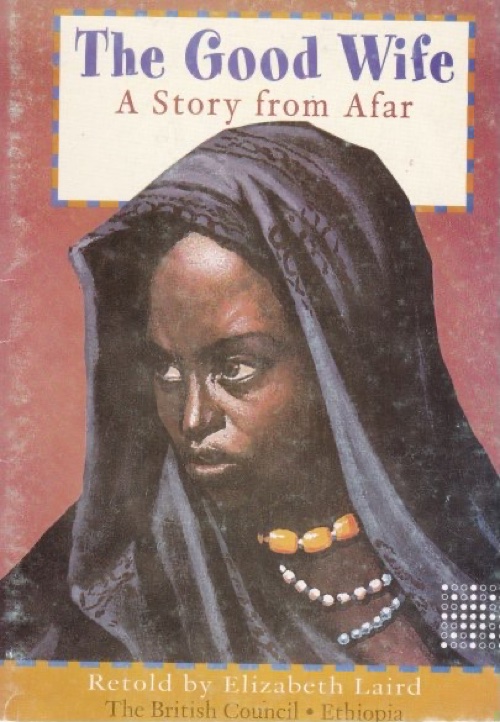
The remaining stories might have been lost and forgotten, but a grant from the Christensen Fund came to the rescue. The website www.ethiopianfolktales.com, containing all the stories, was launched in 2010 and www.ethiopianenglishreaders.com in 2014. Both websites were designed and created by Gareth Cromie.
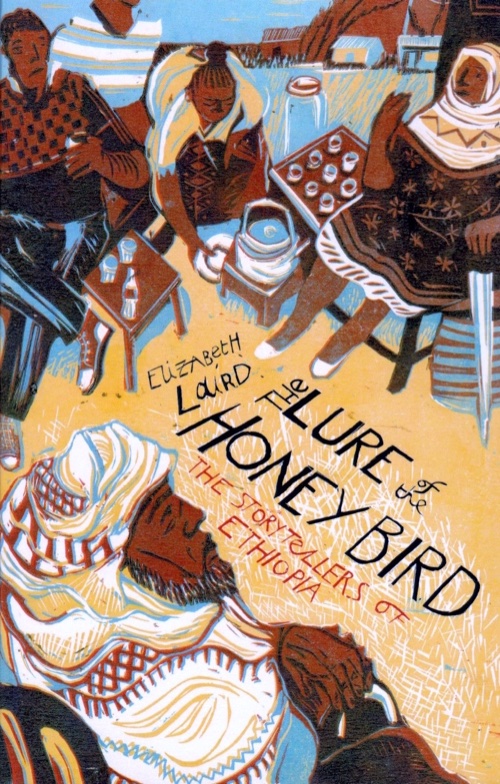
“The Lure of the Honey Bird” is a personal account by Elizabeth Laird of her travels in Ethiopia to collect the stories. It sets them in the context of Ethiopia’s many cultural traditions and shows their links to other great folk story traditions. Published by Polygon in 2013, it is available in ebook form.